
We are accepting new patients.

(770) 981-9011

Serving all of the Metro Atlanta area

review us on google
follow us on X
like us on facebook

Blog

Do Heel Cups Help With Plantar Fasciitis?

Plantar fasciitis causes pain where a strong band of tissue runs along the bottom of the foot. This band, called the plantar fascia, connects the heel bone to the toes. Repeated strain can irritate it. Pain is sharpest with the first steps after resting, and can return after long periods of standing. Running, a sudden increase in activity, and shoes that lack proper support can place added stress on the area.

Heel cups are small inserts that sit beneath and around the heel inside a shoe. They are usually made of gel, foam, or firm plastic. By cradling the heel, a cup can provide cushioning and help spread pressure across a wider area. It can also raise the heel slightly, which may reduce tension on the plantar fascia. However, heel cups do not correct every cause of plantar fasciitis. The wrong size can slide, crowd the shoe, or change how the foot rests. A heel cup should fit securely in a supportive shoe without forcing the toes forward. Patients should also understand that a softer product is not always the best choice. The right amount of firmness depends on the foot, symptoms, and daily activities.

A podiatrist can determine whether a heel cup is appropriate by examining the heel and checking how the foot moves. The evaluation includes a review of when the pain began and which activities make it worse. The podiatrist can also rule out problems like a stress fracture, nerve irritation, or damage to the heel's natural padding. Treatment can include professionally selected heel cups, supportive shoe recommendations, or custom orthotics. A podiatrist can adjust these devices so they support the foot without creating pressure elsewhere. Follow-up visits allow the podiatrist to check progress and change the treatment plan when pain continues. If you have heel pain, it is suggested that you schedule an appointment with a podiatrist for a diagnosis and appropriate treatment.

Plantar fasciitis is a common foot condition that is often caused by a strain injury. If you are experiencing heel pain or symptoms of plantar fasciitis, contact the doctors from Ankle and Foot Centers of Georgia. Our doctor can provide the care you need to keep you pain-free and on your feet.

What Is Plantar Fasciitis?

Plantar fasciitis is one of the most common causes of heel pain. The plantar fascia is a ligament that connects your heel to the front of your foot. When this ligament becomes inflamed, plantar fasciitis is the result. If you have plantar fasciitis you will have a stabbing pain that usually occurs with your first steps in the morning. As the day progresses and you walk around more, this pain will start to disappear, but it will return after long periods of standing or sitting.

What Causes Plantar Fasciitis?

  • Excessive running
  • Having high arches in your feet
  • Other foot issues such as flat feet
  • Pregnancy (due to the sudden weight gain)
  • Being on your feet very often

There are some risk factors that may make you more likely to develop plantar fasciitis compared to others. The condition most commonly affects adults between the ages of 40 and 60. It also tends to affect people who are obese because the extra pounds result in extra stress being placed on the plantar fascia.

Prevention

  • Take good care of your feet – Wear shoes that have good arch support and heel cushioning.
  • Maintain a healthy weight
  • If you are a runner, alternate running with other sports that won’t cause heel pain

There are a variety of treatment options available for plantar fasciitis along with the pain that accompanies it. Additionally, physical therapy is a very important component in the treatment process. It is important that you meet with your podiatrist to determine which treatment option is best for you.

If you have any questions, please feel free to contact one of our offices located in Lithonia/Stonecrest and Emory/Midtown, GA . We offer the newest diagnostic and treatment technologies for all your foot care needs.

 

Read more about Plantar Fasciitis

Heel Pain Can Be Treated!

Do you suffer from heel pain when you get up in the morning? If so, you should seek professional help and have a proper diagnosis performed. Heel pain can be caused by several different foot-related conditions.

Gout and the Big Toe

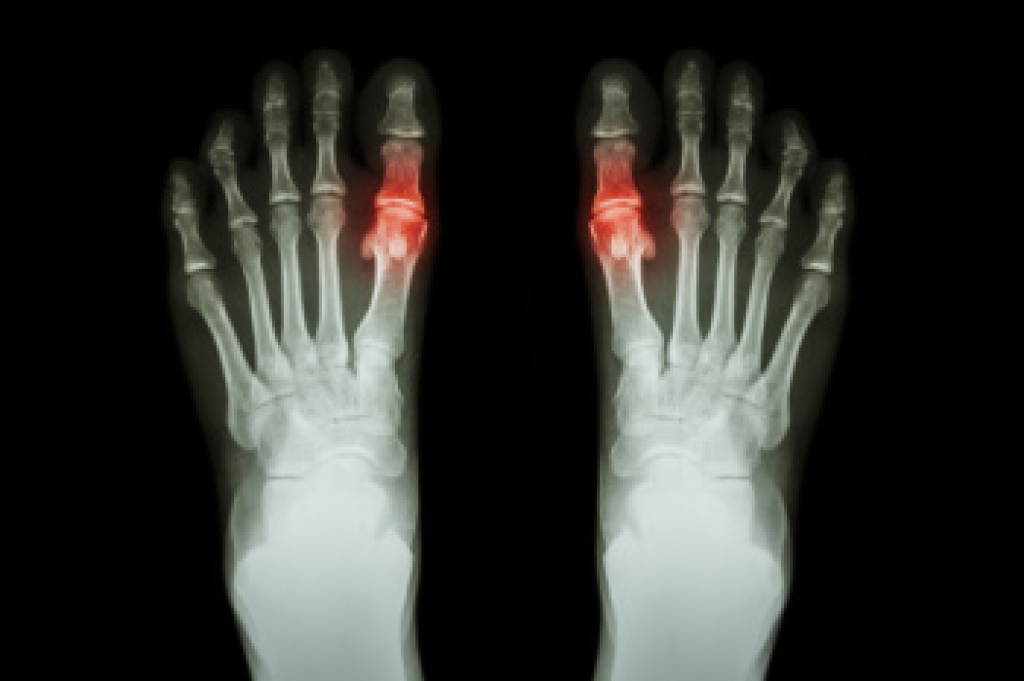
Gout is a form of inflammatory arthritis caused by excess uric acid in the bloodstream. When uric acid forms sharp crystals, they can collect inside a joint and trigger inflammation. Gout commonly affects the big toe, creating pain, swelling, and tenderness. Symptoms may begin quickly, often during the night, and can make walking or wearing shoes uncomfortable. A gout attack may improve after several days, but repeated attacks can damage the affected joint if the condition is not managed.

The big toe is especially prone to gout because the joint is cool and receives pressure during standing and walking. These conditions can encourage crystal formation and inflammation. People with a family history of gout may have a higher risk. Other risk factors include obesity, kidney problems, and diets high in purine-rich foods. Alcohol consumption and dehydration may also contribute. Men are more likely to develop gout, while risk increases for women after menopause.


A podiatrist begins by reviewing symptoms, medical history, and risk factors. The podiatrist checks the big toe for swelling, warmth, and restricted movement. Testing may help confirm gout. Treatment can include recommendations to reduce inflammation and protect the joint during an attack. A podiatrist may also discuss footwear, activity changes, and prevention. 


Understanding gout can help you recognize symptoms early and seek care before attacks interfere with daily activities. Prompt treatment may reduce discomfort and help protect the big toe joint from damage. If you have pain, swelling, or redness on your big toe, it is suggested that you consult a podiatrist for an accurate diagnosis, treatment, and guidance on preventing future gout attacks. 

Gout is a painful condition that can be treated. If you are seeking treatment, contact the doctors from Ankle and Foot Centers of Georgia. Our doctor will treat your foot and ankle needs.

What Is Gout?

Gout is a form of arthritis that is characterized by sudden, severe attacks of pain, redness, and tenderness in the joints. The condition usually affects the joint at the base of the big toe. A gout attack can occur at any random time, such as the middle of the night while you are asleep.

Symptoms

  • Intense Joint Pain - Usually around the large joint of your big toe, and it most severe within the first four to twelve hours
  • Lingering Discomfort - Joint discomfort may last from a few days to a few weeks
  • Inflammation and Redness -Affected joints may become swollen, tender, warm and red
  • Limited Range of Motion - May experience a decrease in joint mobility

Risk Factors

  • Genetics - If family members have gout, you’re more likely to have it
  • Medications - Diuretic medications can raise uric acid levels
  • Gender/Age - Gout is more common in men until the age of 60. It is believed that estrogen protects women until that point
  • Diet - Eating red meat and shellfish increases your risk
  • Alcohol - Having more than two alcoholic drinks per day increases your risk
  • Obesity - Obese people are at a higher risk for gout

Prior to visiting your podiatrist to receive treatment for gout, there are a few things you should do beforehand. If you have gout you should write down your symptoms--including when they started and how often you experience them, important medical information you may have, and any questions you may have. Writing down these three things will help your podiatrist in assessing your specific situation so that he or she may provide the best route of treatment for you.

If you have any questions, please feel free to contact one of our offices located in Lithonia/Stonecrest and Emory/Midtown, GA . We offer the newest diagnostic and treatment technologies for all your foot care needs.

Read more about Everything You Need to Know About Gout

Why Nurses Develop Foot Pain at Work

Nurses spend much of each shift standing, walking, and moving quickly across hard floors. These demands can place repeated pressure on the feet and ankles, especially during long shifts with limited chances to sit. Pain can develop in the heels, arches, or balls of the feet. Nurses can also experience swelling, muscle fatigue, and sore ankles. Plantar fasciitis, which is irritation of the band of tissue along the bottom of the foot, can cause sharp heel pain. Tendon injuries and stress fractures can also occur when repeated strain exceeds the body’s ability to recover.

Several job-related factors can increase the risk of foot pain in nursing. Long shifts give the feet less time to recover. Hard hospital floors increase the force that travels through the legs. Shoes that lack proper support can add strain, and a narrow toe box can crowd the toes. Poorly-fitting shoes can also cause blisters, corns, or ingrown toenails. Nurses who change how they walk to avoid pain can place added stress on another part of the foot. Persistent discomfort can make it harder to complete rounds, assist patients, and respond quickly.

A podiatrist can identify the source of pain by examining the feet, checking joint movement, and reviewing work demands. X-rays or other imaging tests can help detect fractures or joint damage. Treatment options include custom orthotics to improve support, padding to reduce pressure, or a brace to stabilize an injured area. A podiatrist can also recommend work shoes with proper cushioning, enough toe space, and a secure fit. Guidance about replacing worn shoes can further reduce strain. Early care can keep a minor problem from interfering with mobility or becoming more difficult to treat properly. If you have foot pain from standing for long hours on the job, it is suggested that you schedule an appointment with a podiatrist for a diagnosis and appropriate treatment.

While working on the feet, it is important to take the proper care of them. For more information about working on your feet, contact the doctors from Ankle and Foot Centers of Georgia. Our doctor will treat your foot and ankle needs.

Working on Your Feet

Standing on your feet for long periods of time can cause stress and pain in your feet. Your whole body may experience change in terms of posture, back pain, bunions, callouses and or plantar warts. There are ways to avoid these conditions with proper foot care, smart choices and correct posture.

Positive Changes

Negative heeled shoe – Choosing this shoe type places the heel slightly lower than the ball of the foot. These are great for overall foot health. Find shoes that fit you correctly.

Go barefoot – Our feet were not designed to be enclosed for all hours of the day. Try to periodically expose your feet to air.

Eliminate Pain

Foot Exercises – Performing simple exercises, incorporating yoga and doing stretches are beneficial. This will allow increased blood flow to the area and muscles of the foot.

Achilles tendon – Stretching the foot out flat on the floor will relax the calf muscles and tendon. These exercises can be performed almost anywhere. Make sure you add these exercises to your daily regimen. 

With a little bit of this information and knowing more about foot health, you will notice changes. Foot stretches and proper footwear will help with pain and prevent further issues.

If you have any questions please contact one of our offices located in Lithonia/Stonecrest and Emory/Midtown, GA . We offer the newest diagnostic and treatment technologies for all your foot and ankle needs.

Read more about Working on Your Feet

Understanding Achilles Tendon Injuries in Athletes

Achilles tendon injuries can affect athletes who run, jump, or make repeated lower-leg movements. The Achilles tendon connects the calf muscles to the heel, and helps the foot push off the ground. Repeated stress can irritate the tendon and cause pain or stiffness. Some athletes develop injuries after a sudden increase in training or repeated high-impact activity. Running sports can place particular stress on the Achilles tendon. Athletes can experience several types of injuries, including tendon irritation, pain where the tendon meets the heel, and partial or complete tears. Symptoms can make it difficult to run, jump, or push off with the foot.

A podiatrist can examine the ankle and foot to determine the location and severity of an Achilles tendon injury. The evaluation can include checking tenderness, strength, and how the foot and ankle work together. A podiatrist can also consider factors that contribute to repeated stress, including limited ankle movement or changes in how the foot moves. Treatment depends on the type and severity of the injury. Care can include activity guidance, treatment to reduce stress on the tendon, and a structured plan to help restore strength and movement. For athletes, the goal is to support recovery while helping them return to their sport safely.

A partial tear or complete tear require careful evaluation because the treatment approach can differ. Complete Achilles tendon ruptures can cause significant weakness and difficulty pushing off with the foot. Some athletes with severe injuries require surgery, while other Achilles tendon problems can be treated without surgery. A podiatrist can explain the treatment options based on the injury and the athlete’s goals. Getting an evaluation early can also help determine how serious the problem is and whether continued sports activity could place additional stress on the tendon. If you have an Achilles tendon injury, it is suggested that you schedule an appointment with a podiatrist for effective relief and treatment solutions.

Achilles tendon injuries need immediate attention to avoid future complications. If you have any concerns, contact the doctors of Ankle and Foot Centers of Georgia. Our doctor can provide the care you need to keep you pain-free and on your feet.

What Is the Achilles Tendon?

The Achilles tendon is a tendon that connects the lower leg muscles and calf to the heel of the foot. It is the strongest tendon in the human body and is essential for making movement possible. Because this tendon is such an integral part of the body, any injuries to it can create immense difficulties and should immediately be presented to a doctor.

What Are the Symptoms of an Achilles Tendon Injury?

There are various types of injuries that can affect the Achilles tendon. The two most common injuries are Achilles tendinitis and ruptures of the tendon.

Achilles Tendinitis Symptoms

  • Inflammation
  • Dull to severe pain
  • Increased blood flow to the tendon
  • Thickening of the tendon

Rupture Symptoms

  • Extreme pain and swelling in the foot
  • Total immobility

Treatment and Prevention

Achilles tendon injuries are diagnosed by a thorough physical evaluation, which can include an MRI. Treatment involves rest, physical therapy, and in some cases, surgery. However, various preventative measures can be taken to avoid these injuries, such as:

  • Thorough stretching of the tendon before and after exercise
  • Strengthening exercises like calf raises, squats, leg curls, leg extensions, leg raises, lunges, and leg presses

If you have any questions please feel free to contact one of our offices located in Lithonia/Stonecrest and Emory/Midtown, GA . We offer the newest diagnostic tools and technology to treat your foot and ankle needs.

Read more about Achilles Tendon Injuries
Connect with us