Custom orthotics, or shoe inserts, should be periodically replaced. Orthotics must fit properly to give you the best results. Protect your feet and ankles!

Serving all of the Metro Atlanta area


Custom orthotics, or shoe inserts, should be periodically replaced. Orthotics must fit properly to give you the best results. Protect your feet and ankles!
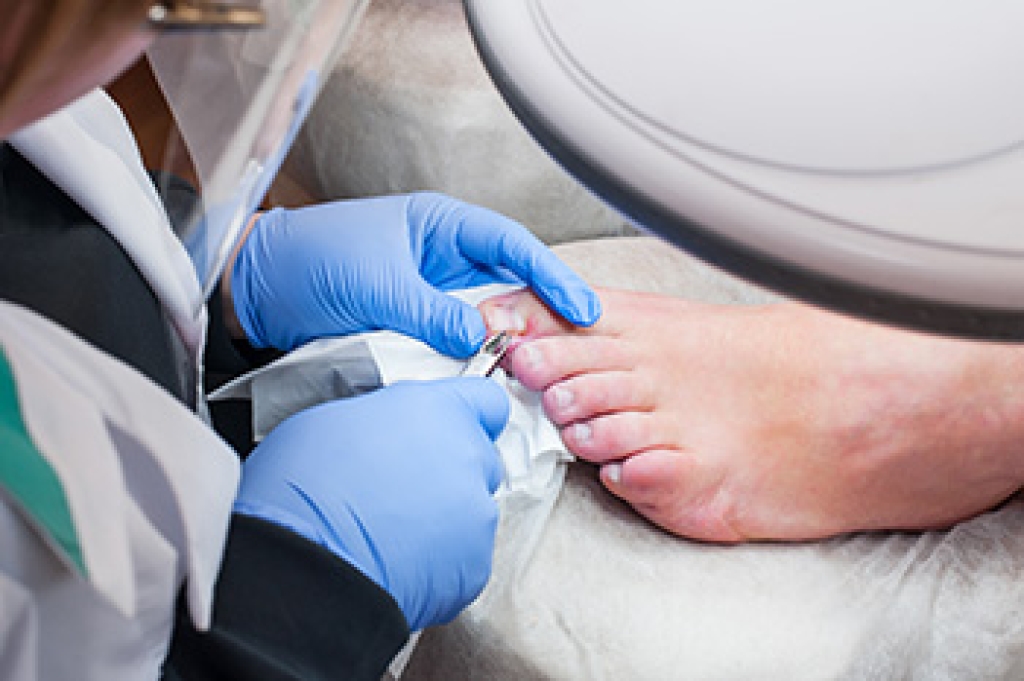
Chronic ingrown toenails can significantly affect mobility and overall foot comfort, especially when left untreated. This condition occurs when the nail edge presses into the surrounding skin, leading to inflammation and possible infection. While mild cases may respond to home care, persistent or severe cases often require surgery to correct. The Winograd procedure is a well-established method that targets the root cause by removing part of the nail. This prevents regrowth in the affected area, offering a reliable long-term solution.
Common symptoms that lead patients to seek this type of foot surgery include ongoing pain, swelling, and redness. Discharge along the nail border is another factor. These symptoms can worsen and interfere with walking, exercise, and footwear choices. Several risk factors contribute to the development of ingrown toenails. Among them are improper nail cutting techniques, wearing narrow or tight shoes, and repeated pressure from running or standing. Genetic nail shape may also contribute. Identifying these factors is key to both treatment and prevention.
During the Winograd procedure, a podiatrist administers a local anesthetic to ensure comfort throughout the process. A small section of the ingrown nail and the underlying growth tissue is carefully removed. By addressing the nail matrix, the procedure reduces the chance of recurrence. The treated area is then bandaged, and patients receive instructions for proper aftercare. Healing typically progresses smoothly, with minimal downtime and noticeable improvement in symptoms within days.
Surgery is often recommended for patients who experience repeated ingrown toenails or complications such as infection. It provides lasting relief and supports better foot health. Early intervention can prevent further discomfort and complications. If you are dealing with recurring ingrown toenails, it is strongly suggested that you consult a podiatrist who can determine if this type of foot surgery is right for you.
Foot surgery is sometimes necessary to treat a foot ailment. To learn more, contact the doctors of Ankle and Foot Centers of Georgia. Our doctor will assist you with all of your foot and ankle needs.
When Is Surgery Necessary?
Foot and ankle surgery is generally reserved for cases in which less invasive, conservative procedures have failed to alleviate the problem. Some of the cases in which surgery may be necessary include:
What Types of Surgery Are There?
The type of surgery you receive will depend on the nature of the problem you have. Some of the possible surgeries include:
Benefits of Surgery
Although surgery is usually a last resort, it can provide more complete pain relief compared to non-surgical methods and may allow you to finally resume full activity.
Surgical techniques have also become increasingly sophisticated. Techniques like endoscopic surgery allow for smaller incisions and faster recovery times.
If you have any questions, please feel free to contact one of our offices located in Lithonia/Stonecrest and Emory/Midtown, GA . We offer the newest diagnostic and treatment technologies for all your foot care needs.
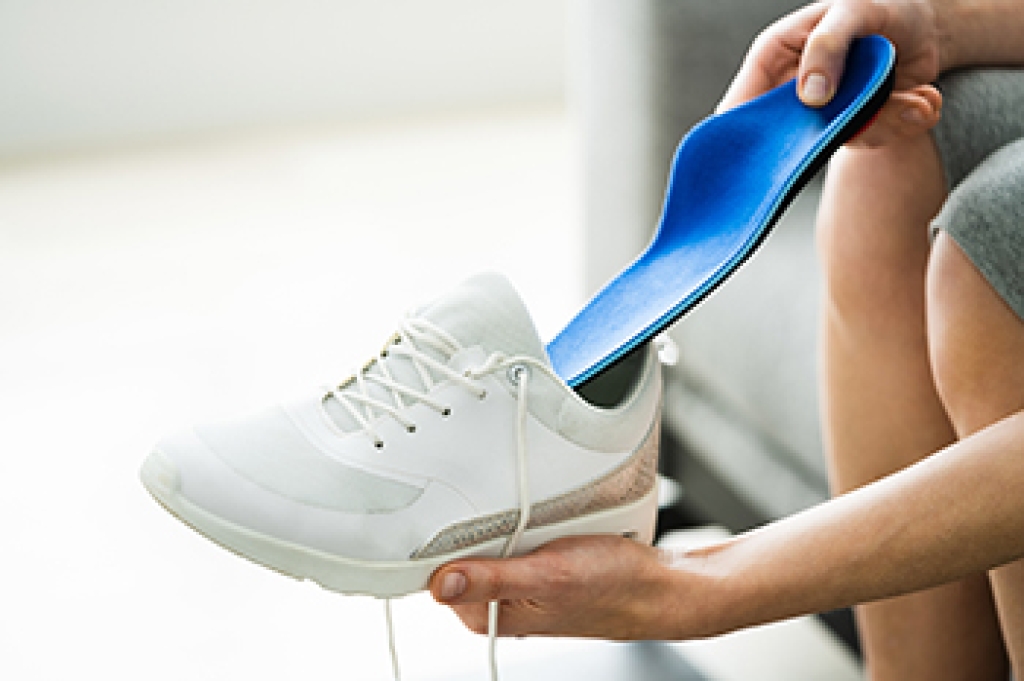
Orthotics are shoe inserts designed to improve foot function, reduce discomfort, and support healthy movement. They help position the feet more effectively when muscles, tendons, ligaments, joints, or bones are not working together as they should. Orthotics can relieve pain caused by conditions like plantar fasciitis, bunions, hammertoes, flat feet, and high arches. They also help reduce foot fatigue during daily activities. Orthotics come in several forms, including over-the-counter inserts and custom-made devices. Choosing the right option depends on the cause of the problem, the structure of the foot, and the level of support needed. A careful evaluation helps determine which type is most appropriate for each patient.
A podiatrist performs a detailed examination that includes foot structure, walking pattern, and activity level before recommending orthotics. This assessment helps identify abnormal movement patterns and pressure points that contribute to pain. Custom orthotics are tailored to a patient’s unique foot structure, while over-the-counter inserts offer a generic solution that may not adequately address individual needs. A podiatrist also recommends shoes that provide proper support because even the best orthotics perform better inside well-fitting footwear. Regular follow-up visits help monitor comfort and determine whether adjustments are needed as symptoms or activity levels change.
Orthotics are not a one-size-fits-all solution, and using the wrong type can limit their benefits. Some patients need custom orthotics because of more complex foot problems or medical conditions like diabetes and severe arthritis. A podiatrist can determine which type best matches each patient's needs and long-term goals. Early evaluation helps improve comfort, support healthy foot mechanics, and reduce unnecessary stress on the feet while walking and standing. If you have symptoms of foot pain or conditions that could benefit from custom orthotics, it is suggested that you schedule an appointment with a podiatrist for diagnosis and treatment.
If you are having discomfort in your feet and would like to try orthotics, contact the doctors from Ankle and Foot Centers of Georgia. Our doctor can provide the care you need to keep you pain-free and on your feet.
What Are Orthotics?
Orthotics are inserts you can place into your shoes to help with a variety of foot problems such as flat feet or foot pain. Orthotics provide relief and comfort for minor foot and heel pain but can’t correct serious biomechanical problems in your feet.
Over-the-Counter Inserts
Orthotics come in a wide variety of over-the-counter inserts that are used to treat foot pain, heel pain, and minor problems. For example, arch supports can be inserted into your shoes to help correct overarched or flat feet, while gel insoles are often used because they provide comfort and relief from foot and heel pain by alleviating pressure.
Prescription Orthotics
If over-the-counter inserts don’t work for you or if you have a more severe foot concern, it is possible to have your podiatrist prescribe custom orthotics. These high-quality inserts are designed to treat problems such as abnormal motion, plantar fasciitis, and severe forms of heel pain. They can even be used to help patients suffering from diabetes by treating foot ulcers and painful calluses and are usually molded to your feet individually, which allows them to provide full support and comfort.
If you are experiencing minor to severe foot or heel pain, it’s recommended to speak with your podiatrist about the possibilities of using orthotics. A podiatrist can determine which type of orthotic is right for you and allow you to take the first steps towards being pain-free.
If you have any questions, please feel free to contact one of our offices located in Lithonia/Stonecrest and Emory/Midtown, GA . We offer the newest diagnostic and treatment technologies for all your foot care needs.
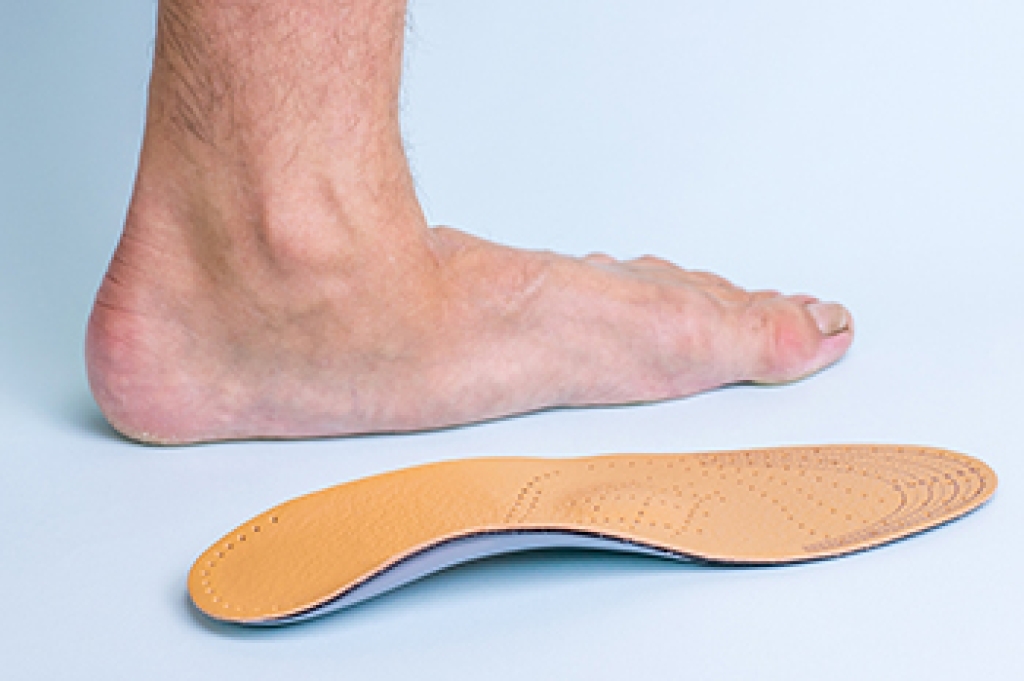
Flat feet can affect more than the way a person stands or walks. The arches on the bottom of the feet help support the body and guide movement through the legs. When these arches are lower or flattened, the feet can move differently when walking. This change can affect how forces travel from the feet toward the ankles, knees, and hips. Knee osteoarthritis is a condition in which the tissues inside a joint become damaged, causing pain, stiffness, and reduced movement. Research has found an association between flat feet and knee osteoarthritis. People with flat feet and knee osteoarthritis can experience greater knee pain and reduced physical function. However, research does not show that flat feet directly cause knee osteoarthritis.
A podiatrist can examine the feet, ankles, and legs to determine how foot structure affects movement. The evaluation can include checking the height of the arches, observing how the feet move while walking, and assessing areas of pain or stiffness. A podiatrist can also consider the severity of knee symptoms when developing a treatment plan. This is important because flat feet can vary from mild to more pronounced changes in foot position. Research involving patients with knee osteoarthritis found that greater flat-foot severity was associated with more knee pain, stiffness, and difficulty with physical function. These findings suggest that foot structure should be considered when evaluating patients who have both flat feet and knee osteoarthritis.
Treatment from a podiatrist focuses on improving foot function and supporting comfortable movement. Depending on the patient's needs, care can include custom orthotics, footwear recommendations, and exercises designed to support foot and lower-leg function. Orthotics are inserts designed to support the foot and improve how pressure is distributed when walking. A podiatrist can also monitor changes in foot and knee symptoms and coordinate care with other healthcare providers when appropriate. Addressing foot mechanics does not cure knee osteoarthritis, but evaluating the feet can be an important part of managing symptoms and maintaining mobility. If you have symptoms of flat feet or knee osteoarthritis, it is suggested that you schedule an appointment with a podiatrist for a diagnosis and appropriate treatment.
Flatfoot is a condition many people suffer from. If you have flat feet, contact the doctors from Ankle and Foot Centers of Georgia. Our doctor will treat your foot and ankle needs.
What Are Flat Feet?
Flatfoot is a condition in which the arch of the foot is depressed and the sole of the foot is almost completely in contact with the ground. About 20-30% of the population generally has flat feet because their arches never formed during growth.
Conditions & Problems:
Having flat feet makes it difficult to run or walk because of the stress placed on the ankles.
Alignment – The general alignment of your legs can be disrupted, because the ankles move inward which can cause major discomfort.
Knees – If you have complications with your knees, flat feet can be a contributor to arthritis in that area.
Symptoms
Treatment
If you are experiencing pain and stress on the foot you may weaken the posterior tibial tendon, which runs around the inside of the ankle.
If you have any questions, please feel free to contact one of our offices located in Lithonia/Stonecrest and Emory/Midtown, GA . We offer the newest diagnostic and treatment technologies for all your foot care needs.

Falls are a leading cause of injury, especially among older adults, and healthy feet play an important role in maintaining balance and stability. Foot pain, reduced sensation, and poor joint movement can make walking more difficult and increase the risk of losing balance. Certain foot conditions may also affect the way a person walks, placing extra stress on the body and making everyday activities less safe. Muscle weakness, limited flexibility, and changes in foot structure can further reduce stability. Because many factors contribute to falls, evaluating foot health is an important part of identifying risks before an injury occurs. Early assessment can help improve mobility and support safer movement.
Foot and ankle function directly affects balance with every step. Conditions such as arthritis, bunions, and hammertoes may interfere with normal walking patterns. Other problems, including nerve-related changes, can reduce feeling in the feet and make it harder to detect uneven surfaces. As movement becomes less stable, the risk of slips and falls may increase. A thorough podiatry evaluation helps identify problems that affect balance, foot function, and walking mechanics. Understanding these issues allows a podiatrist to recommend treatment that supports safer mobility and helps reduce the likelihood of future falls.
A podiatrist plays an important role in falls prevention by evaluating foot health, identifying movement concerns, and developing an individualized treatment plan. Professional care may focus on improving foot function, reducing pain, and supporting better balance during daily activities. Regular evaluations also allow changes in foot health to be monitored before they lead to more serious mobility problems. Seeking care early may help maintain independence and reduce the risk of fall-related injuries. If foot pain, balance problems, or changes in the way you walk are affecting your stability, it is suggested that you consult a podiatrist for an evaluation and appropriate treatment options.
Preventing falls among the elderly is very important. If you are older and have fallen or fear that you are prone to falling, consult with the doctors from Ankle and Foot Centers of Georgia. Our doctor will assess your condition and provide you with quality advice and care.
Every 11 seconds, an elderly American is being treated in an emergency room for a fall related injury. Falls are the leading cause of head and hip injuries for those 65 and older. Due to decreases in strength, balance, senses, and lack of awareness, elderly persons are very susceptible to falling. Thankfully, there are a number of things older persons can do to prevent falls.
How to Prevent Falls
Some effective methods that older persons can do to prevent falls include:
Falling can be a traumatic and embarrassing experience for elderly persons; this can make them less willing to leave the house, and less willing to talk to someone about their fears of falling. Doing such things, however, will increase the likelihood of tripping or losing one’s balance. Knowing the causes of falling and how to prevent them is the best way to mitigate the risk of serious injury.
If you have any questions, please feel free to contact one of our offices located in Lithonia/Stonecrest and Emory/Midtown, GA . We offer the newest diagnostic and treatment technologies for all your foot care needs.