
We are accepting new patients.

Blog

Pros and Cons of Plantar Fasciitis Surgery

Plantar fasciitis causes pain in the bottom of the heel and arch of the foot. It develops when the plantar fascia, a strong band of tissue that supports the arch, becomes damaged and irritated. Many people experience sharp pain with their first steps in the morning or after periods of rest. While most patients improve with treatment provided by a podiatrist, a small number continue to have severe pain that affects daily activities. When symptoms remain intense and limit mobility, surgery may be considered. A podiatrist will carefully evaluate the foot and review previous treatment efforts before recommending an operation. Surgery for plantar fasciitis is usually reserved for cases that have not responded to other forms of care. This is especially true where pain interferes with work, exercise, or normal movement.

The most common procedure is called a plantar fasciotomy. During this surgery, part of the plantar fascia is released to reduce tension and relieve pain. The procedure can be performed through a traditional incision or with smaller surgical tools. A podiatrist will determine which approach is most appropriate based on the severity of the condition. The goal is to decrease strain on the damaged tissue while preserving foot function. As with any surgery, there are risks. These include continued pain, scar discomfort, and changes in the way the foot bears weight. For this reason, surgery is recommended only after a thorough examination and discussion of expected results.

Research has shown encouraging outcomes for many patients who undergo plantar fasciitis surgery. One long-term study found that most patients reported a major reduction in pain and were satisfied with the results years after the procedure. Greater success was seen in patients who had surgery earlier in the course of persistent symptoms. A podiatrist can explain the benefits, risks, and recovery process while helping patients decide whether surgery is an appropriate option. If you have extremely painful plantar fasciitis, it is suggested that you schedule an appointment with a podiatrist to discuss the benefits of this type of foot surgery.

Plantar fasciitis can be very painful and inconvenient. If you are experiencing heel pain or symptoms of plantar fasciitis, contact the doctors  from Ankle and Foot Centers of Georgia. Our doctor can provide the care you need to keep you pain-free and on your feet.

What Is Plantar Fasciitis?

Plantar fasciitis is the inflammation of the thick band of tissue that runs along the bottom of your foot, known as the plantar fascia, and causes mild to severe heel pain.

What Causes Plantar Fasciitis?

  • Excessive running
  • Non-supportive shoes
  • Overpronation
  • Repeated stretching and tearing of the plantar fascia

How Can It Be Treated?

  • Conservative measures – anti-inflammatories, ice packs, stretching exercises, physical therapy, orthotic devices
  • Shockwave therapy – sound waves are sent to the affected area to facilitate healing and are usually used for chronic cases of plantar fasciitis
  • Surgery – usually only used as a last resort when all else fails. The plantar fascia can be surgically detached from the heel

While very treatable, plantar fasciitis is definitely not something that should be ignored. Especially in severe cases, speaking to your doctor right away is highly recommended to avoid complications and severe heel pain. Your podiatrist can work with you to provide the appropriate treatment options tailored to your condition.

If you have any questions, please feel free to contact one of our offices located in Lithonia/Stonecrest and Emory/Midtown, GA . We offer the newest diagnostic and treatment technologies for all your foot care needs.


Read more about Plantar Fasciitis

Do Your Child's Feet Hurt?

Have your child's feet been examined lately? Healthy feet are happy feet. If your child is complaining of foot pain, it may be a sign of underlying problems.

Managing and Preventing Ingrown Toenails

An ingrown toenail develops when the edge of the nail grows into the surrounding skin, causing pain, redness, swelling, and sometimes infection. Tight footwear, improper nail trimming, toe injuries, and inherited nail shape can all contribute. Early treatment from a podiatrist may include relieving pressure, reducing inflammation, treating infection if present, and safely correcting the nail edge. In recurring or severe cases, a minor in-office procedure may be recommended to remove part of the nail and help prevent the problem from returning. Prevention focuses on proper nail trimming, avoiding overly tight shoes, managing excessive foot moisture, and addressing foot structure issues that increase pressure on the toes. Attempting aggressive self-treatment can worsen pain or introduce infection, especially for people with diabetes or circulation concerns. Prompt care can prevent a minor nail problem from becoming more serious. If you are dealing with persistent toe pain or have signs of an ingrown toenail, it is suggested that you promptly visit a podiatrist for appropriate treatment solutions.

Ingrown toenails may initially present themselves as a minor discomfort, but they may progress into an infection in the skin without proper treatment. For more information about ingrown toenails, contact the doctors of Ankle and Foot Centers of Georgia. Our doctor can provide the care you need to keep you pain-free and on your feet.

Ingrown Toenails

Ingrown toenails are caused when the corner or side of a toenail grows into the soft flesh surrounding it. They often result in redness, swelling, pain, and in some cases, infection. This condition typically affects the big toe and may recur if it is not treated properly.

Causes

  • Improper toenail trimming
  • Genetics
  • Improper shoe fitting
  • Injury from pedicures or nail picking
  • Abnormal gait
  • Poor hygiene

You are more likely to develop an ingrown toenail if you are obese, have diabetes, arthritis, or have any fungal infection in your nails. Additionally, people who have foot or toe deformities are at a higher risk of developing an ingrown toenail.

Symptoms

Some symptoms of ingrown toenails are redness, swelling, and pain. In rare cases, there may be a yellowish drainage coming from the nail.

Treatment

Ignoring an ingrown toenail can have serious complications. Infections of the nail border can progress to a deeper soft-tissue infection, which can then turn into a bone infection. You should always speak with your podiatrist if you suspect you have an ingrown toenail, especially if you have diabetes or poor circulation.

If you have any questions, please feel free to contact one of our offices located in Lithonia/Stonecrest and Emory/Midtown, GA . We offer the newest diagnostic and treatment technologies for all your foot care needs.
Read more about Ingrown Toenail Care

Understanding Bunions and Their Causes

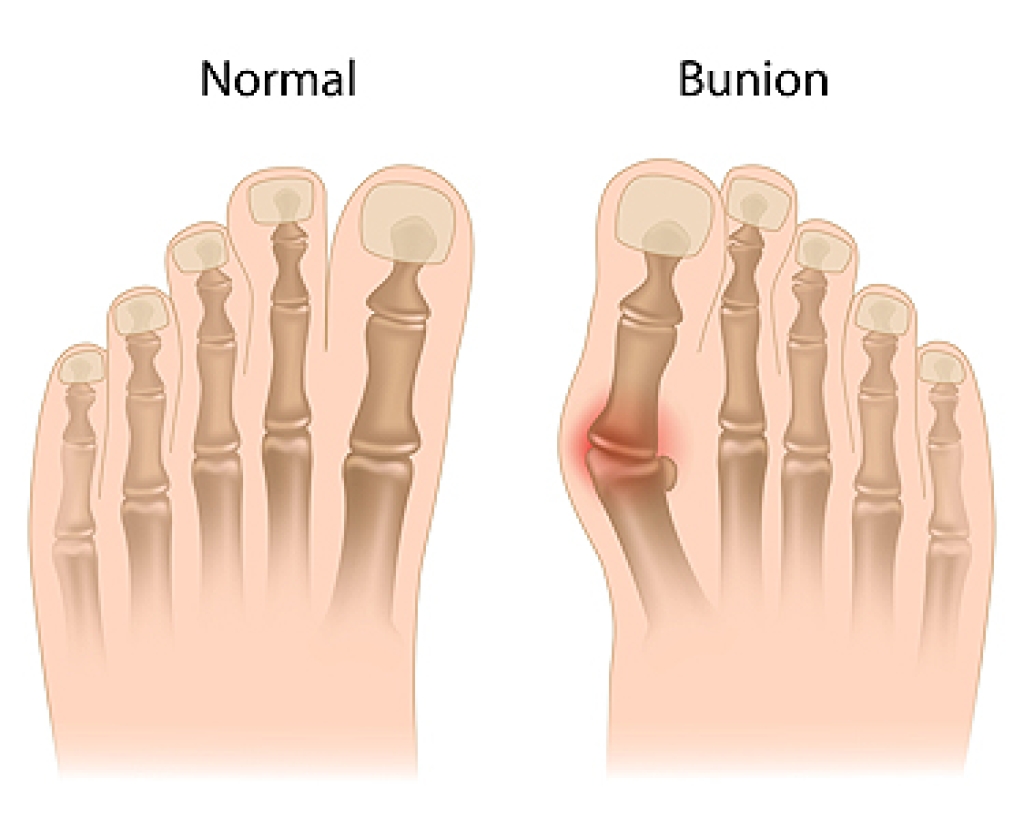
A bunion is a foot condition where the big toe gradually shifts inward while the joint at its base becomes enlarged and prominent. It often appears as a visible bump on the side of the foot, which may become red, swollen, and painful over time. The condition develops slowly due to pressure and imbalance in the foot structure, often influenced by genetics, wearing improper footwear, or abnormal walking patterns. Symptoms can include aching pain, stiffness, and difficulty wearing certain shoes comfortably. Risk factors include wearing tight or narrow shoes, family history of bunions, flat feet, and prolonged standing. As the condition progresses, the deformity may become more noticeable and discomfort may increase. A podiatrist can evaluate the severity, monitor progression, and offer treatment options to reduce pain and improve alignment. If you have developed a bunion, it is suggested that you consult a podiatrist who can offer effective relief and management solutions. It is strongly suggested that if you have a bunion, you visit a podiatrist.

If you are suffering from bunions, contact the doctors of Ankle and Foot Centers of Georgia. Our doctor can provide the care you need to keep you pain-free and on your feet.

What Is a Bunion?

A bunion is formed of swollen tissue or an enlargement of boney growth, usually located at the base joint of the toe that connects to the foot. The swelling occurs due to the bones in the big toe shifting inward, which impacts the other toes of the foot. This causes the area around the base of the big toe to become inflamed and painful.

Why Do Bunions Form?

Genetics – Susceptibility to bunions are often hereditary

Stress on the feet – Poorly fitted and uncomfortable footwear that places stress on feet, such as heels, can worsen existing bunions

How Are Bunions Diagnosed?

Podiatrists often perform two tests – blood tests and x-rays – when trying to diagnose bunions, especially in the early stages of development. Blood tests help determine if the foot pain is being caused by something else, such as arthritis, while x-rays provide a clear picture of your bone structure to your provider.

How Are Bunions Treated?

  • Refrain from wearing heels or similar shoes that cause discomfort
  • Select wider shoes that can provide more comfort and reduce pain
  • Anti-inflammatory and pain management drugs
  • Orthotics or foot inserts
  • Surgery

If you have any questions, please feel free to contact one of our offices located in Lithonia/Stonecrest and Emory/Midtown, GA . We offer the newest diagnostic and treatment technologies for all your foot care needs.

Read more about What Are Bunions?

Sudden Achilles Tendon Rupture

An Achilles tendon rupture is a serious injury where the strong band connecting the calf muscle to the heel tears completely or partially. It often happens during sudden movements such as jumping, sprinting, or quickly changing direction. Many people describe a sharp pain or a popping sensation in the back of the ankle, followed by difficulty walking or pushing off the foot. Causes may include overuse, tight calf muscles, or weakened tendon tissue over time. The injury can appear without warning, even in people who are active but not conditioned properly. A podiatrist can confirm the diagnosis through examination and imaging, then guide treatment which may include bracing, immobilization, or surgical repair to restore strength and function. If you have injured your Achilles tendon, it is strongly suggested that you visit a podiatrist.

Achilles tendon injuries need immediate attention to avoid future complications. If you have any concerns, contact the doctors of Ankle and Foot Centers of Georgia. Our doctor can provide the care you need to keep you pain-free and on your feet.

What Is the Achilles Tendon?

The Achilles tendon is a tendon that connects the lower leg muscles and calf to the heel of the foot. It is the strongest tendon in the human body and is essential for making movement possible. Because this tendon is such an integral part of the body, any injuries to it can create immense difficulties and should immediately be presented to a doctor.

What Are the Symptoms of an Achilles Tendon Injury?

There are various types of injuries that can affect the Achilles tendon. The two most common injuries are Achilles tendinitis and ruptures of the tendon.

Achilles Tendinitis Symptoms

  • Inflammation
  • Dull to severe pain
  • Increased blood flow to the tendon
  • Thickening of the tendon

Rupture Symptoms

  • Extreme pain and swelling in the foot
  • Total immobility

Treatment and Prevention

Achilles tendon injuries are diagnosed by a thorough physical evaluation, which can include an MRI. Treatment involves rest, physical therapy, and in some cases, surgery. However, various preventative measures can be taken to avoid these injuries, such as:

  • Thorough stretching of the tendon before and after exercise
  • Strengthening exercises like calf raises, squats, leg curls, leg extensions, leg raises, lunges, and leg presses

If you have any questions please feel free to contact one of our offices located in Lithonia/Stonecrest and Emory/Midtown, GA . We offer the newest diagnostic tools and technology to treat your foot and ankle needs.

Read more about The Causes, Types, and Treatments of Achilles Tendon Injuries
Connect with us