Suffering from this type of pain? You may have the foot condition known as Morton's neuroma. Morton's neuroma may develop as a result of ill-fitting footwear and existing foot deformities. We can help.

Serving all of the Metro Atlanta area


Suffering from this type of pain? You may have the foot condition known as Morton's neuroma. Morton's neuroma may develop as a result of ill-fitting footwear and existing foot deformities. We can help.
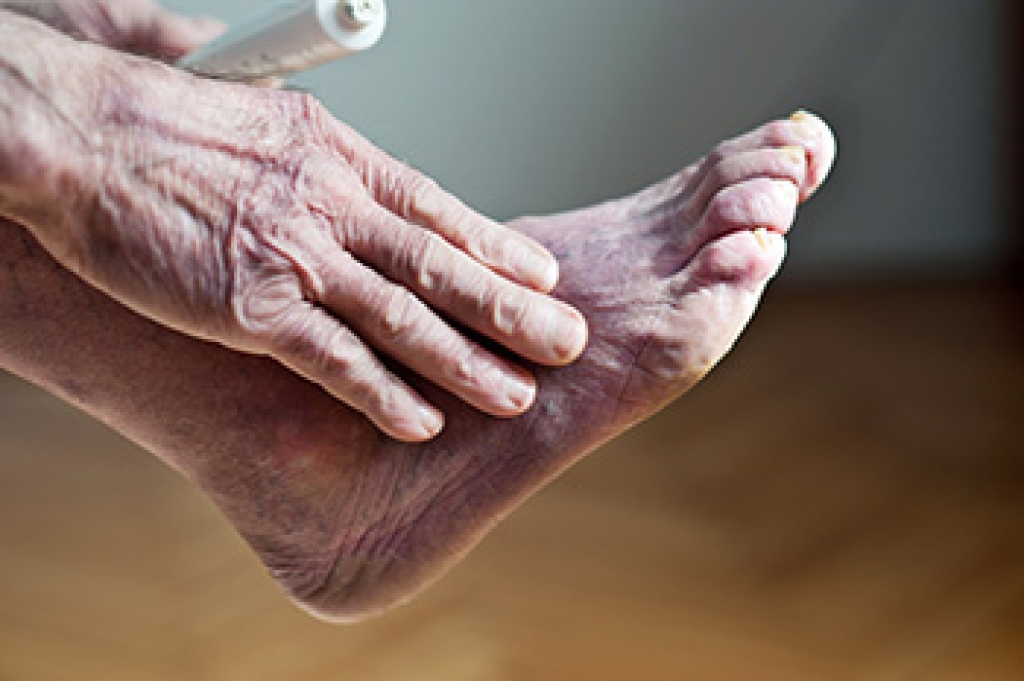
Poor circulation in the feet occurs when blood does not flow as efficiently as it should to the lower legs and feet. Healthy circulation is essential because blood delivers oxygen and nutrients that help tissues function properly. When circulation is reduced, the feet may not receive everything they need to stay healthy. Poor circulation is often linked to underlying medical conditions rather than being a problem by itself. Conditions like peripheral artery disease, diabetes, or blood vessel disorders may contribute to reduced blood flow. Because circulation problems can lead to serious complications if left untreated, early evaluation is important. Identifying the cause of poor circulation may help protect foot health and support better long-term mobility.
Symptoms of poor circulation in the feet can develop gradually and may become more noticeable over time. Many people experience cold feet, numbness, or tingling that affects everyday comfort. Others notice swelling or changes in skin color that may indicate reduced blood flow. Some individuals develop slow-healing wounds or pain while walking that improves with rest. Persistent circulation problems may also increase the risk of infections and other foot complications. Since these symptoms may be related to several medical conditions, a professional examination is important to determine the underlying cause. Prompt evaluation can help prevent further damage and support healthier foot function.
A podiatrist plays an important role in identifying foot problems related to poor circulation and monitoring changes that may affect long-term health. During an examination, the podiatrist evaluates circulation, checks the condition of the skin and nails, and looks for signs of tissue damage. Treatment focuses on protecting the feet, managing complications, and coordinating care when underlying medical conditions are involved. Regular podiatry visits may also help detect problems before they become more serious. If you are experiencing cold feet, numbness, or slow-healing wounds, it is suggested that you consult a podiatrist for an evaluation and appropriate treatment options.
While poor circulation itself isn’t a condition; it is a symptom of another underlying health condition you may have. If you have any concerns with poor circulation in your feet contact the doctors of Ankle and Foot Centers of Georgia. Our doctor will treat your foot and ankle needs.
Poor Circulation in the Feet
Peripheral artery disease (PAD) can potentially lead to poor circulation in the lower extremities. PAD is a condition that causes the blood vessels and arteries to narrow. In a linked condition called atherosclerosis, the arteries stiffen up due to a buildup of plaque in the arteries and blood vessels. These two conditions can cause a decrease in the amount of blood that flows to your extremities, therefore resulting in pain.
Symptoms
Some of the most common symptoms of poor circulation are:
Treatment for poor circulation often depends on the underlying condition that causes it. Methods for treatment may include insulin for diabetes, special exercise programs, surgery for varicose veins, or compression socks for swollen legs.
As always, see a podiatrist as he or she will assist in finding a regimen that suits you. A podiatrist can also prescribe you any needed medication.
If you have any questions, please feel free to contact one of our offices located in Lithonia/Stonecrest and Emory/Midtown, GA . We offer the newest diagnostic and treatment technologies for all your foot care needs.
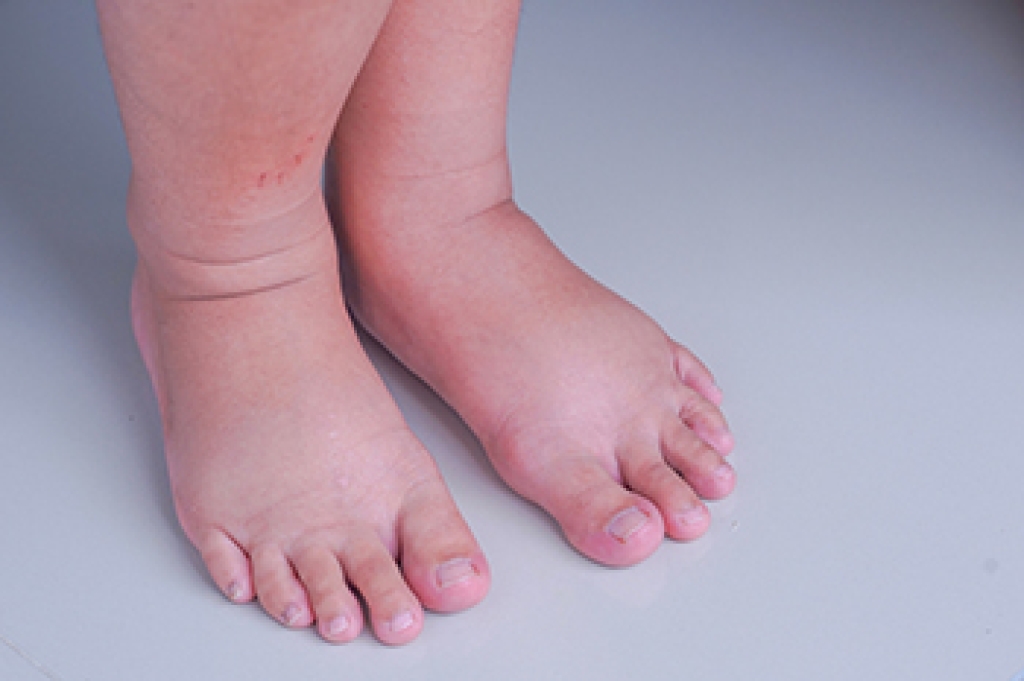
Swollen feet during pregnancy are a common condition that develops as the body adapts to support a growing baby. This swelling, known as edema, occurs when excess fluid collects in the tissues of the feet and ankles. Hormonal changes play a major role, as they cause blood vessels to relax and can slow circulation. At the same time, increased body weight and pressure from the uterus can affect blood flow, leading to fluid buildup in the lower extremities. Many women also notice that their feet appear larger, which can be a result of ligament relaxation and structural changes.
Symptoms often include visible swelling in the feet and ankles, a feeling of tightness in shoes, and mild discomfort while walking or standing. The skin may appear stretched or shiny, and some women experience a heavy sensation in the lower legs. Foot growth during pregnancy is influenced by hormones that loosen ligaments, allowing the arch to flatten slightly. This can lead to a permanent increase in foot size for some individuals, especially after multiple pregnancies.
Risk factors include prolonged standing, high sodium intake, and warm weather conditions that promote fluid retention. Hormonal shifts and natural weight gain place additional stress on the feet, increasing the likelihood of swelling and discomfort. Preventive measures and relief strategies include drinking enough water to support circulation, elevating the feet when possible, and wearing compression socks to reduce fluid buildup. Wearing comfortable and supportive shoes with proper cushioning can also help maintain foot stability.
Managing foot health during pregnancy is important for comfort and mobility. Taking simple steps to reduce swelling can improve daily function and overall well being. Monitoring symptoms and making supportive lifestyle adjustments can make a noticeable difference. If you have swollen or painful feet during your pregnancy, it is suggested that you consult a podiatrist for effective relief and management tips.
Pregnant women with swollen feet can be treated with a variety of different methods that are readily available. For more information about other cures for swollen feet during pregnancy, consult with the doctors from Ankle and Foot Centers of Georgia. Our doctor will attend to all of your foot and ankle needs.
What Foot Problems Can Arise During Pregnancy?
One problem that can occur is overpronation, which occurs when the arch of the foot flattens and tends to roll inward. This can cause pain and discomfort in your heels while you’re walking or even just standing up, trying to support your baby.
Another problem is edema, or swelling in the extremities. This often affects the feet during pregnancy but tends to occur in the later stages.
How Can I Keep My Feet Healthy During Pregnancy?
If you have any questions, please feel free to contact one of our offices located in Lithonia/Stonecrest and Emory/Midtown, GA . We offer the newest diagnostic and treatment technologies for all your foot care needs.
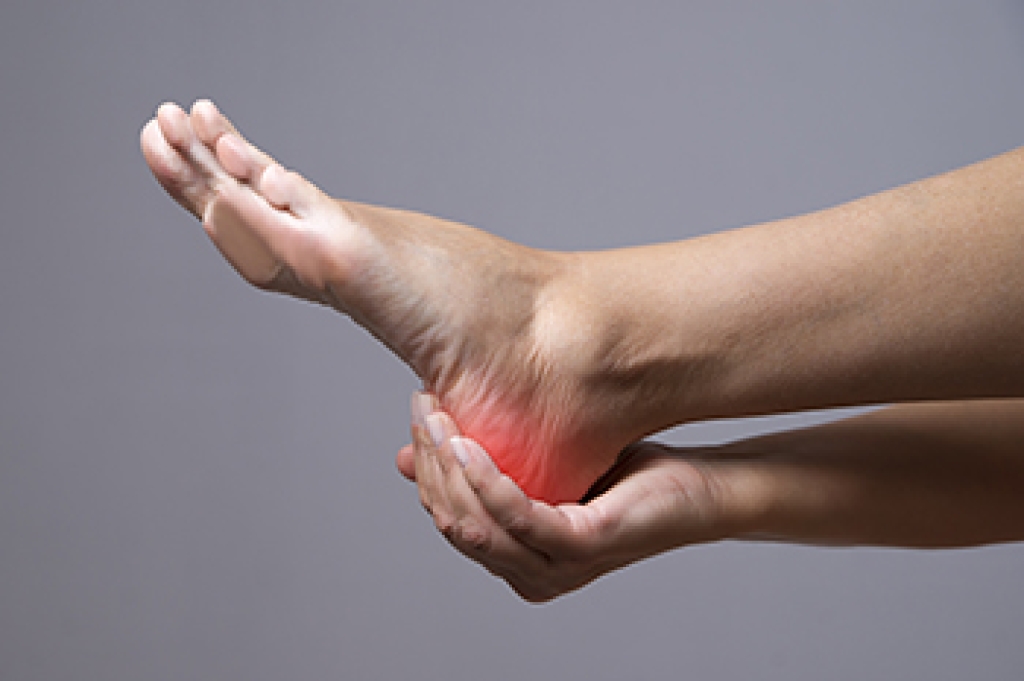
Heel pain can make walking, standing, and daily activities uncomfortable. It may develop suddenly after an injury or appear slowly from repeated stress on the foot. One common cause is plantar fasciitis, which involves irritation of the strong band of tissue that supports the arch and connects to the heel. Pain may also come from Achilles tendon irritation, bursitis, or a heel fracture. Symptoms can include sharp pain under the heel, aching at the back of the heel, or discomfort that worsens after activity. Pain that continues or returns often means the heel needs professional attention. Early evaluation can help identify the cause before the problem becomes harder to treat.
A podiatrist can examine the heel and determine what may be causing the pain. During the visit, the podiatrist checks the location of discomfort, foot movement, and signs of swelling or injury. Imaging may be recommended if a fracture, bone spur, or deeper injury is suspected. Treatment depends on the diagnosis and may include custom orthotics, medical therapies, or advanced care when needed. A podiatrist can also evaluate how foot structure and walking patterns may be adding stress to the heel. This helps create a treatment plan that supports healing and improves comfort.
Professional heel pain treatment can help restore mobility and protect long-term foot health. Delaying care may allow irritation, inflammation, or injury to worsen over time. A podiatrist can monitor progress and adjust treatment as symptoms improve. Proper diagnosis is especially important, because other heel conditions can feel similar but require different care. Whether pain is under the heel or near the back of the ankle, podiatry care can help address the source of discomfort. If you have ongoing heel pain, it is suggested that you consult a podiatrist for an evaluation.
Many people suffer from bouts of heel pain. For more information, contact the doctors of Ankle and Foot Centers of Georgia. Our doctor can provide the care you need to keep you pain-free and on your feet.
Causes of Heel Pain
Heel pain is often associated with plantar fasciitis. The plantar fascia is a band of tissues that extends along the bottom of the foot. A rip or tear in this ligament can cause inflammation of the tissue.
Achilles tendonitis is another cause of heel pain. Inflammation of the Achilles tendon will cause pain from fractures and muscle tearing. Lack of flexibility is also another symptom.
Heel spurs are another cause of pain. When the tissues of the plantar fascia undergo a great deal of stress, it can lead to ligament separation from the heel bone, causing heel spurs.
Why Might Heel Pain Occur?
Treatments
Heel pain should be treated as soon as possible for immediate results. Keeping your feet in a stress-free environment will help. If you suffer from Achilles tendonitis or plantar fasciitis, applying ice will reduce the swelling. Stretching before an exercise like running will help the muscles. Using all these tips will help make heel pain a condition of the past.
If you have any questions, please feel free to contact one of our offices located in Lithonia/Stonecrest and Emory/Midtown, GA . We offer the newest diagnostic and treatment technologies for all your foot care needs.

Running places repeated stress on the feet and ankles with every step. The impact from training, racing, and long-distance running can lead to foot problems that interfere with performance and comfort. Some runners develop plantar fasciitis, which causes pain along the bottom of the heel. Others experience stress fractures, which are small cracks in the bone caused by repeated force. Tendon injuries can also occur when the tissues that connect muscles to bones become irritated or inflamed. Foot pain may begin gradually or appear after a change in training intensity. Running on uneven surfaces can also increase strain on the feet. Shoes that do not fit properly or footwear that lacks adequate support can place additional pressure on certain areas of the foot and increase the risk of injury.
Symptoms vary depending on the condition involved. Runners may notice heel pain, arch pain, or pain in the ball of the foot. Swelling, tenderness, and stiffness can also develop. Some people experience pain only while running. Others continue to feel discomfort after activity has ended. Stress fractures frequently cause pain that becomes worse with repeated activity. Tendon problems often create soreness near the ankle or along the top of the foot. Changes in running form can also contribute to foot problems by placing excess stress on muscles, tendons, and joints. Ignoring symptoms can allow an injury to worsen and make recovery more difficult.
A podiatrist can identify the cause of running-related foot pain through a detailed examination and diagnostic testing. X-rays and other imaging studies help detect bone injuries and soft tissue damage. Treatment includes activity modifications, custom orthotics, and stretching or strengthening exercises designed to improve foot function. Some runners benefit from gait analysis, which evaluates how the foot moves while running. A podiatrist can also recommend appropriate shoes based on foot structure and running style. If you have foot pain during or after running, it is suggested that you schedule an appointment with a podiatrist for an evaluation and appropriate relief and treatment solutions.
Exercising your feet regularly with the proper foot wear is a great way to prevent injuries. If you have any concerns about your feet, contact the doctors of Ankle and Foot Centers of Georgia. Our doctor will treat your foot and ankle needs.
How to Prevent Running Injuries
Many common running injuries are caused by overuse and overtraining. When the back of the kneecap starts wearing out and starts causing pain in your knee, this is commonly referred to as runner’s knee. Runner’s knee is a decrease in strength in your quadriceps and can occur if you’re not wearing properly fitted or supporting shoes. To prevent runner’s knee, focusing on hip strengthening is a good idea, as well as strengthening your quads to keep the kneecaps aligned.
What Are Some Causes of Running Injuries?
- One cause of a common running injury is called iliotibial band syndrome.
- Plantar fasciitis is also another common injury.
- Stress fractures can occur from overtraining, lack of calcium, or even your running style.
Best Ways to Prevent Running Injuries
- Wear footwear that fits properly and suits your running needs.
- Running shoes are the only protective gear that runners have to safeguard them from injury.
- Make a training schedule. Adding strengthening exercises as well as regular stretching can help keep you strong and limber and can lessen the possibility of injuries.
- Stretching keeps muscles limber; this will help you gain better flexibility.
If you have any questions, please feel free to contact one of our offices located in Lithonia/Stonecrest and Emory/Midtown, GA . We offer the newest diagnostic and treatment technologies for all your foot care needs.