We are accepting new patients.

Blog

Protecting Your Feet When You Have Diabetes

Foot care is especially important for people living with diabetes. High blood sugar can damage nerves and reduce circulation, which makes it harder to feel injuries and slower for wounds to heal. Because of this, small problems can quickly become serious if they are not noticed early. Daily foot checks help identify cuts, blisters, redness, or swelling before they worsen. Looking between the toes and along the soles of the feet is important, since these areas are often overlooked. Muscle strengthening exercises can also support foot stability and improve balance, which may help prevent injuries. Wearing properly fitted shoes and keeping skin clean and dry are also helpful habits. Even when feet appear healthy, it is suggested that you schedule regular visits with a podiatrist who can provide professional evaluation and preventive care.

Diabetic foot care is important in preventing foot ailments such as ulcers. If you are suffering from diabetes or have any other concerns about your feet, contact the doctors from Ankle and Foot Centers of Georgia. Our doctor can provide the care you need to keep you pain-free and on your feet.

Diabetic Foot Care

Diabetes affects millions of people every year. The condition can damage blood vessels in many parts of the body, especially the feet. Because of this, taking care of your feet is essential if you have diabetes, and having a podiatrist help monitor your foot health is highly recommended.

The Importance of Caring for Your Feet

  • Routinely inspect your feet for bruises or sores.
  • Wear socks that fit your feet comfortably.
  • Wear comfortable shoes that provide adequate support.

Patients with diabetes should have their doctor monitor their blood levels, as blood sugar levels play such a huge role in diabetic care. Monitoring these levels on a regular basis is highly advised.

It is always best to inform your healthcare professional of any concerns you may have regarding your feet, especially for diabetic patients. Early treatment and routine foot examinations are keys to maintaining proper health, especially because severe complications can arise if proper treatment is not applied.

If you have any questions, please feel free to contact one of our offices located in Lithonia/Stonecrest and Emory/Midtown, GA . We offer the newest diagnostic and treatment technologies for all your foot care needs.


Read more about How to Care for Diabetic Foot

Plantar Warts Can Be Treated!

Plantar warts are small growths that develop on parts of the feet that bear weight. They're typically found on the bottom of the foot. Don't live with plantar warts, and call us today!

Managing Foot and Ankle Pain in Rheumatoid Arthritis

Rheumatoid arthritis is an autoimmune condition that causes chronic inflammation in the joints. The immune system mistakenly attacks the lining of the joints, leading to swelling, stiffness, and pain. The feet and ankles are often affected because they contain many small joints that help support body weight and movement. People with rheumatoid arthritis may notice tenderness in the forefoot, arch discomfort, ankle instability, or gradual changes in foot shape. Ongoing inflammation can weaken ligaments and damage joint surfaces, and over time, make walking more difficult. Management often focuses on reducing stress on the affected joints while maintaining mobility. Wearing supportive footwear, custom orthotics, and activity modification can help reduce pressure during daily movement. Targeted exercises may also help preserve flexibility and strength. When foot or ankle pain related to rheumatoid arthritis begins to limit comfort or mobility, it is suggested that a podiatrist evaluate the condition and recommend appropriate treatment.

Because RA affects more than just your joints, including the joints in your feet and ankles, it is important to seek early diagnosis from your podiatrist if you feel like the pain in your feet might be caused by RA. For more information, contact the doctors of Ankle and Foot Centers of Georgia. Our doctor will assist you with all of your podiatric concerns.

What Is Rheumatoid Arthritis?

Rheumatoid Arthritis (RA) is an autoimmune disorder in which the body’s own immune system attacks the membranes surrounding the joints. Inflammation of the lining and eventually the destruction of the joint’s cartilage and bone occur, causing severe pain and immobility.

Rheumatoid Arthritis of the Feet

Although RA usually attacks multiple bones and joints throughout the entire body, almost 90 percent of cases result in pain in the foot or ankle area.

Symptoms

  • Swelling and pain in the feet
  • Stiffness in the feet
  • Pain on the ball or sole of feet
  • Joint shift and deformation

Diagnosis

Quick diagnosis of RA in the feet is important so that the podiatrist can treat the area effectively. Your doctor will ask you about your medical history, occupation, and lifestyle to determine the origin of the condition. Rheumatoid Factor tests help to determine if someone is affected by the disease.

If you have any questions, please feel free to contact one of our offices located in Lithonia/Stonecrest and Emory/Midtown, GA . We offer the newest diagnostic and treatment technologies for all your foot care needs.

Read more about Rheumatoid Arthritis in the Feet

Ankle Arthrodesis and What It Means for Long-Term Stability

Ankle arthrodesis, commonly known as ankle fusion, is a surgical procedure used to relieve severe, persistent ankle pain that has not improved with other treatments. The goal is to join the bones of the ankle so they heal as one solid unit, eliminating the painful motion caused by advanced arthritis, major injury, or long-standing joint damage. When the joint is fused, the ankle becomes stable and able to bear weight more comfortably, even though movement in the fused area is no longer present. Many people find that walking becomes easier once the constant grinding pain is gone. The procedure requires careful preparation and a structured recovery plan that supports proper bone healing. Over time, surrounding joints adapt, allowing patients to return to many of their usual activities. If you are dealing with unrelenting ankle pain that limits daily life, it is suggested that you see a podiatrist to determine whether ankle arthrodesis is an appropriate option for you.

Foot surgery is sometimes necessary to treat a foot ailment. To learn more, contact the doctors of Ankle and Foot Centers of Georgia. Our doctor will assist you with all of your foot and ankle needs.

When Is Surgery Necessary?

Foot and ankle surgery is generally reserved for cases in which less invasive, conservative procedures have failed to alleviate the problem. Some of the cases in which surgery may be necessary include:

  • Removing foot deformities like bunions and bone spurs
  • Severe arthritis that has caused bone issues
  • Cosmetic reconstruction

What Types of Surgery Are There?

The type of surgery you receive will depend on the nature of the problem you have. Some of the possible surgeries include:

  • Bunionectomy for painful bunions
  • Surgical fusion for realignment of bones
  • Neuropathy decompression surgery to treat nerve damage

Benefits of Surgery

Although surgery is usually a last resort, it can provide more complete pain relief compared to non-surgical methods and may allow you to finally resume full activity.

Surgical techniques have also become increasingly sophisticated. Techniques like endoscopic surgery allow for smaller incisions and faster recovery times.

If you have any questions, please feel free to contact one of our offices located in Lithonia/Stonecrest and Emory/Midtown, GA . We offer the newest diagnostic and treatment technologies for all your foot care needs.
Read more about Foot and Ankle Surgery

Facts About Morton’s Neuroma

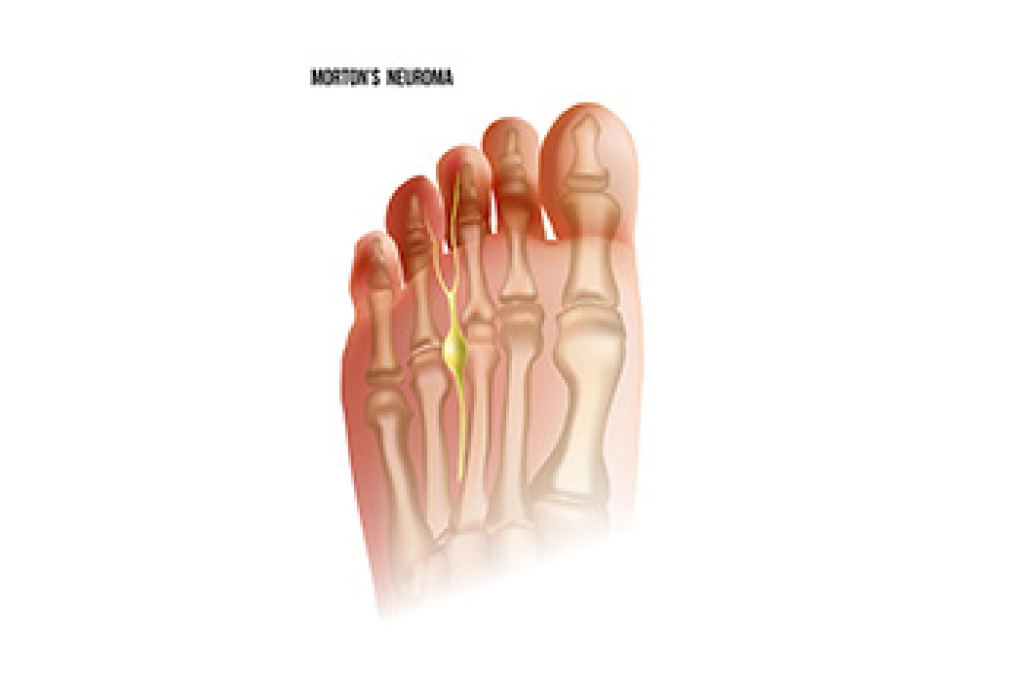
Morton’s neuroma affects the forefoot, most commonly between the third and fourth toes. It develops when the digital nerve becomes thickened or fibrotic, leading to irritation and discomfort. Symptoms often include burning, tingling, numbness, or the sensation of stepping on a pebble inside the shoe. This painful condition is frequently caused by wearing tight or narrow footwear, such as high heels, or activities that place repeated pressure on the forefoot. Risk factors include foot shape, high-impact exercise, and prolonged periods in constrictive shoes. A podiatrist can diagnose Morton’s neuroma, recommend custom orthotics, suggest appropriate footwear, and provide treatment to reduce pain. If you have pain in this part of your foot, it is suggested that you consult a podiatrist who can accurately diagnose and treat what may be going on.

Morton’s neuroma is a very uncomfortable condition to live with. If you think you have Morton’s neuroma, contact the doctors of Ankle and Foot Centers of Georgia. Our doctor will attend to all of your foot care needs and answer any of your related questions.  

Morton’s Neuroma

Morton's neuroma is a painful foot condition that commonly affects the areas between the second and third or third and fourth toe, although other areas of the foot are also susceptible. Morton’s neuroma is caused by an inflamed nerve in the foot that is being squeezed and aggravated by surrounding bones.

What Increases the Chances of Having Morton’s Neuroma?

  • Ill-fitting high heels or shoes that add pressure to the toe or foot
  • Jogging, running or any sport that involves constant impact to the foot
  • Flat feet, bunions, and any other foot deformities

Morton’s neuroma is a very treatable condition. Orthotics and shoe inserts can often be used to alleviate the pain on the forefront of the feet. In more severe cases, corticosteroids can also be prescribed. In order to figure out the best treatment for your neuroma, it’s recommended to seek the care of a podiatrist who can diagnose your condition and provide different treatment options.

If you have any questions, please feel free to contact one of our offices located in Lithonia/Stonecrest and Emory/Midtown, GA . We offer the newest diagnostic and treatment technologies for all your foot care needs.

Read more about Morton's Neuroma
Connect with us