July 2024
Wednesday, 31 July 2024 00:00
Wounds That Don't Heal Need to Be Checked

Your feet are covered most of the day. If you're diabetic, periodic screening is important for good health. Numbness is often a sign of diabetic foot and can mask a sore or wound.
Tuesday, 30 July 2024 00:00
Understanding Foot Stress Fractures
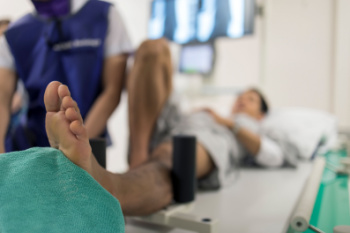
Foot stress fractures, also known as hairline fractures, are small cracks in the bones of the foot caused by repetitive stress or overuse. These fractures commonly occur in weight-bearing bones, particularly affecting athletes and individuals engaged in high-impact activities like running, jumping, gymnastics, and dancing. The second and third metatarsal bones are most susceptible to stress fractures due to the significant pounding they endure during these movements. Symptoms of a foot stress fracture can include localized pain that intensifies with weight-bearing activities, tenderness, and sometimes swelling. The pain may subside with rest but typically returns when activity resumes. Risk factors can include sudden changes in physical activity, abnormal foot structure, low levels of vitamin D and calcium, osteoporosis, and prolonged use of corticosteroids. Women with irregular menstrual cycles are also at increased risk. A podiatrist can conduct a thorough examination, including X-rays or other digital imaging tests, to pinpoint the fracture's location and severity. If you are experiencing foot pain after exercise, it is suggested that you schedule an appointment with a podiatrist for an exam and treatment options.
Activities where too much pressure is put on the feet can cause stress fractures. To learn more, contact Naim G. Shaheed, DPM from Ankle and Foot Centers of Georgia. Our doctor can provide the care you need to keep your pain free and on your feet.
Dealing with Stress Fractures of the Foot and Ankle
Stress fractures occur in the foot and ankle when muscles in these areas weaken from too much or too little use. The feet and ankles then lose support when walking or running from the impact of the ground. Since there is no protection, the bones receive the full impact of each step. Stress on the feet can cause cracks to form in the bones, thus creating stress fractures.
What Are Stress Fractures?
Stress fractures occur frequently in individuals whose daily activities cause great impact on the feet and ankles. Stress factors are most common among:
- Runners
- People affected with Osteoporosis
- Tennis or basketball players
- Gymnasts
- High impact workouts
Symptoms
Pain from the fractures occur in the area of the fractures and can be constant or intermittent. It will often cause sharp or dull pain with swelling and tenderness. Engaging in any kind of activity which involves high impact will aggravate pain.
If you have any questions please feel free to contact one of our offices located in Lithonia/Stonecrest and Emory/Midtown, GA . We offer the newest diagnostic and treatment technologies for all your foot and ankle needs.
Tuesday, 23 July 2024 00:00
Common Foot Injuries in Figure Skating and Their Causes

Figure skating often leads to various foot injuries due to the sport's demands. Stress fractures are common, resulting from repetitive impact on the ice. Tendonitis occurs from overuse and the repetitive movements involved in jumps and spins. Bursitis in the ankle is another frequent issue, caused by inflammation of the bursae due to friction and pressure. Lace bite, characterized by pain and swelling on the top of the foot, results from tight skate laces. Additionally, boot stiffness can contribute to these injuries by restricting natural foot movement and causing pressure points. Improper blade placement affects balance and alignment, increasing the risk of falls and stress injuries. Blade sharpness is essential, as dull blades require more effort to maneuver, leading to overexertion. Foot and ankle injuries are treated by a podiatrist. If you enjoy ice skating and have sustained this type of injury, it is suggested that you consult a podiatrist for a comprehensive treatment plan.
Sports related foot and ankle injuries require proper treatment before players can go back to their regular routines. For more information, contact Naim G. Shaheed, DPM of Ankle and Foot Centers of Georgia. Our doctor can provide the care you need to keep you pain-free and on your feet.
Sports Related Foot and Ankle Injuries
Foot and ankle injuries are a common occurrence when it comes to athletes of any sport. While many athletes dismiss the initial aches and pains, the truth is that ignoring potential foot and ankle injuries can lead to serious problems. As athletes continue to place pressure and strain the area further, a mild injury can turn into something as serious as a rupture and may lead to a permanent disability. There are many factors that contribute to sports related foot and ankle injuries, which include failure to warm up properly, not providing support or wearing bad footwear. Common injuries and conditions athletes face, including:
- Plantar Fasciitis
- Plantar Fasciosis
- Achilles Tendinitis
- Achilles Tendon Rupture
- Ankle Sprains
Sports related injuries are commonly treated using the RICE method. This includes rest, applying ice to the injured area, compression and elevating the ankle. More serious sprains and injuries may require surgery, which could include arthroscopic and reconstructive surgery. Rehabilitation and therapy may also be required in order to get any recovering athlete to become fully functional again. Any unusual aches and pains an athlete sustains must be evaluated by a licensed, reputable medical professional.
If you have any questions please feel free to contact one of our offices located in Lithonia/Stonecrest and Emory/Midtown, GA . We offer the newest diagnostic and treatment technologies for all your foot and ankle needs.
Tuesday, 16 July 2024 00:00
Battling Foot Problems From Diabetes

Diabetes can have a profound impact on foot health, leading to complications such as nerve damage and poor circulation. These issues increase the risk of developing sores, infections, and even severe conditions that may necessitate amputation. Daily foot checks are essential for early detection of cuts, blisters, or signs of infection. Wearing appropriate socks is also important. Choose socks that wick away moisture, fit well, and are free of seams to prevent irritation. Selecting the right footwear is also important. Ensure that your shoes fit well, but also leave some room for toe movement to avoid pressure points. It's also advisable to avoid walking barefoot, even indoors, to protect against unnoticed injuries. Diabetic patients with venous insufficiency or swelling may benefit from wearing compression socks but should consult their podiatrist for the best options. Good foot hygiene, including washing with warm water and drying thoroughly, helps prevent fungal infections. Keeping toenails trimmed straight across can prevent ingrown toenails, which are another potential source of infection. Regular visits to a podiatrist can help manage and monitor foot health, preventing minor issues from escalating. If you experience diabetic foot pain, it is suggested that you schedule an appointment with a podiatrist for an exam and treatment options.
Diabetic foot care is important in preventing foot ailments such as ulcers. If you are suffering from diabetes or have any other concerns about your feet, contact Naim G. Shaheed, DPM from Ankle and Foot Centers of Georgia. Our doctor can provide the care you need to keep you pain-free and on your feet.
Diabetic Foot Care
Diabetes affects millions of people every year. The condition can damage blood vessels in many parts of the body, especially the feet. Because of this, taking care of your feet is essential if you have diabetes, and having a podiatrist help monitor your foot health is highly recommended.
The Importance of Caring for Your Feet
- Routinely inspect your feet for bruises or sores.
- Wear socks that fit your feet comfortably.
- Wear comfortable shoes that provide adequate support.
Patients with diabetes should have their doctor monitor their blood levels, as blood sugar levels play such a huge role in diabetic care. Monitoring these levels on a regular basis is highly advised.
It is always best to inform your healthcare professional of any concerns you may have regarding your feet, especially for diabetic patients. Early treatment and routine foot examinations are keys to maintaining proper health, especially because severe complications can arise if proper treatment is not applied.
If you have any questions please feel free to contact one of our offices located in Lithonia/Stonecrest and Emory/Midtown, GA . We offer the newest diagnostic and treatment technologies for all your foot and ankle needs.
Tuesday, 09 July 2024 00:00
Causes and Definition of Heel Spurs
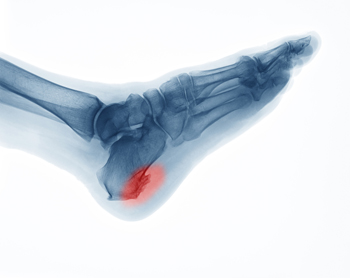 A heel spur, medically known as a calcaneal spur, is a bony growth that develops on the underside of the heel bone. This condition often results from long-term strain on the foot muscles and ligaments, commonly associated with repetitive activities such as running or jumping. Over time, this strain leads to the accumulation of calcium deposits, forming the bony protrusion. Heel spurs are frequently linked to plantar fasciitis, an inflammation of the plantar fascia tissue that runs along the bottom of the foot. Factors contributing to heel spur development include wearing ill-fitting shoes, excessive weight, and having flat feet or high arches. If you have heel pain, it may be indicative of a heel spur, and it is suggested that you consult a podiatrist who can accurately diagnose and offer a comprehensive treatment plan for heel spurs.
Heel spurs can be incredibly painful and sometimes may make you unable to participate in physical activities. To get medical care for your heel spurs, contact Naim G. Shaheed, DPM from Ankle and Foot Centers of Georgia. Our doctor will do everything possible to treat your condition.
Heels Spurs
Heel spurs are formed by calcium deposits on the back of the foot where the heel is. This can also be caused by small fragments of bone breaking off one section of the foot, attaching onto the back of the foot. Heel spurs can also be bone growth on the back of the foot and may grow in the direction of the arch of the foot.
Older individuals usually suffer from heel spurs and pain sometimes intensifies with age. One of the main condition's spurs are related to is plantar fasciitis.
Pain
The pain associated with spurs is often because of weight placed on the feet. When someone is walking, their entire weight is concentrated on the feet. Bone spurs then have the tendency to affect other bones and tissues around the foot. As the pain continues, the feet will become tender and sensitive over time.
Treatments
There are many ways to treat heel spurs. If one is suffering from heel spurs in conjunction with pain, there are several methods for healing. Medication, surgery, and herbal care are some options.
If you have any questions feel free to contact one of our offices located in Lithonia/Stonecrest and Emory/Midtown, GA . We offer the latest in diagnostic and treatment technology to meet your needs.
Tuesday, 02 July 2024 00:00
Effective and Easy Exercises for Plantar Fasciitis Relief

Relieving plantar fasciitis pain can be achieved through simple exercises that stretch and strengthen the foot. One effective exercise is the calf stretch, where you lean against a wall with one leg extended back and the other bent forward, stretching the calf muscles and reducing tension on the plantar fascia. The toe stretch involves sitting down and pulling your toes back toward your shin, helping to loosen the fascia. Rolling a tennis ball or frozen water bottle under your foot can massage and alleviate pain. Performing foot flexes by sitting with your legs straight and using a towel to pull your toes toward you can also provide relief. Consistently practicing these exercises can reduce pain and inflammation, promoting healing and preventing future flare-ups. If you have plantar fasciitis and are seeking additional effective foot stretches for relief, it is suggested that you visit a podiatrist, who can provide you with the information you are seeking.
Plantar fasciitis can be very painful and inconvenient. If you are experiencing heel pain or symptoms of plantar fasciitis, contact Naim G. Shaheed, DPM from Ankle and Foot Centers of Georgia. Our doctor can provide the care you need to keep you pain-free and on your feet.
What Is Plantar Fasciitis?
Plantar fasciitis is the inflammation of the thick band of tissue that runs along the bottom of your foot, known as the plantar fascia, and causes mild to severe heel pain.
What Causes Plantar Fasciitis?
- Excessive running
- Non-supportive shoes
- Overpronation
- Repeated stretching and tearing of the plantar fascia
How Can It Be Treated?
- Conservative measures – anti-inflammatories, ice packs, stretching exercises, physical therapy, orthotic devices
- Shockwave therapy – sound waves are sent to the affected area to facilitate healing and are usually used for chronic cases of plantar fasciitis
- Surgery – usually only used as a last resort when all else fails. The plantar fascia can be surgically detached from the heel
While very treatable, plantar fasciitis is definitely not something that should be ignored. Especially in severe cases, speaking to your doctor right away is highly recommended to avoid complications and severe heel pain. Your podiatrist can work with you to provide the appropriate treatment options tailored to your condition.
If you have any questions please feel free to contact one of our offices located in Lithonia/Stonecrest and Emory/Midtown, GA . We offer the newest diagnostic and treatment technologies for all your foot and ankle needs.