June 2024
Sunday, 30 June 2024 00:00
It's Time for Beautiful Feet

You don't need an excuse to have beautiful nails. Step outside without worrying about the appearance of your feet.
Tuesday, 25 June 2024 00:00
Diagnosis and Symptoms of Foot Puncture Wounds
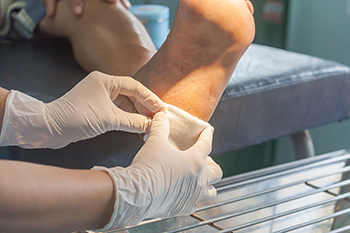
Foot puncture wounds are injuries where a sharp object pierces the skin and underlying tissues of the foot. These wounds can occur from stepping on nails, glass, or other sharp objects. Proper diagnosis involves a physical examination by a podiatrist, often accompanied by imaging tests like X-rays to assess the depth and presence of foreign objects. Symptoms of a foot puncture wound include pain, swelling, redness, and bleeding at the site of injury. If the wound becomes infected, additional symptoms such as warmth, pus, and increased pain may develop. Timely medical attention is vital to clean the wound thoroughly, prevent infection, and ensure proper healing. If you have stepped on a sharp object and have developed a foot wound, it is suggested that you seek prompt medical treatment from a podiatrist who can effectively manage this condition.
Wound care is an important part in dealing with diabetes. If you have diabetes and a foot wound or would like more information about wound care for diabetics, consult with Naim G. Shaheed, DPM from Ankle and Foot Centers of Georgia. Our doctor will assess your condition and provide you with quality foot and ankle treatment.
What Is Wound Care?
Wound care is the practice of taking proper care of a wound. This can range from the smallest to the largest of wounds. While everyone can benefit from proper wound care, it is much more important for diabetics. Diabetics often suffer from poor blood circulation which causes wounds to heal much slower than they would in a non-diabetic.
What Is the Importance of Wound Care?
While it may not seem apparent with small ulcers on the foot, for diabetics, any size ulcer can become infected. Diabetics often also suffer from neuropathy, or nerve loss. This means they might not even feel when they have an ulcer on their foot. If the wound becomes severely infected, amputation may be necessary. Therefore, it is of the upmost importance to properly care for any and all foot wounds.
How to Care for Wounds
The best way to care for foot wounds is to prevent them. For diabetics, this means daily inspections of the feet for any signs of abnormalities or ulcers. It is also recommended to see a podiatrist several times a year for a foot inspection. If you do have an ulcer, run the wound under water to clear dirt from the wound; then apply antibiotic ointment to the wound and cover with a bandage. Bandages should be changed daily and keeping pressure off the wound is smart. It is advised to see a podiatrist, who can keep an eye on it.
If you have any questions, please feel free to contact one of our offices located in Lithonia/Stonecrest and Emory/Midtown, GA . We offer the newest diagnostic and treatment technologies for all your foot care needs.
Tuesday, 18 June 2024 00:00
Possible Complications of a Broken Ankle

A broken ankle, medically termed ankle fracture, poses significant risks and complications, particularly for active individuals and the elderly. Active individuals are often at risk due to participation in high-impact activities, while the elderly are susceptible due to factors such as decreased bone density and balance issues. One potential complication of a broken ankle is the development of osteoarthritis in the affected joint over time. This occurs due to the disruption of the joint's normal structure and function during the healing process, leading to cartilage degeneration and subsequent pain and stiffness. Elderly individuals, especially those with diabetes, are also prone to complications such as wound healing issues and infections, which can prolong recovery and increase the risk of further complications. Treatment for a broken ankle typically involves immobilization with a cast or brace and pain management. If you have sustained an ankle fracture, it is suggested that you schedule an appointment with a podiatrist who can provide comprehensive care, including monitoring for complications, optimizing rehabilitation, and providing long-term management for optimal foot health.
Broken ankles need immediate treatment. If you are seeking treatment, contact Naim G. Shaheed, DPM from Ankle and Foot Centers of Georgia. Our doctor can provide the care you need to keep you pain-free and on your feet.
Broken Ankles
A broken ankle is experienced when a person fractures their tibia or fibula in the lower leg and ankle area. Both of these bones are attached at the bottom of the leg and combine to form what we know to be our ankle.
When a physician is referring to a break of the ankle, he or she is usually referring to a break in the area where the tibia and fibula are joined to create our ankle joint. Ankles are more prone to fractures because the ankle is an area that suffers a lot of pressure and stress. There are some obvious signs when a person experiences a fractured ankle, and the following symptoms may be present.
Symptoms of a Fractured Ankle
- Excessive pain when the area is touched or when any pressure is placed on the ankle
- Swelling around the area
- Bruising of the area
- Area appears to be deformed
If you suspect an ankle fracture, it is recommended to seek treatment as soon as possible. The sooner you have your podiatrist diagnose the fracture, the quicker you’ll be on the way towards recovery.
If you have any questions, please feel free to contact one of our offices located in Lithonia/Stonecrest and Emory/Midtown, GA . We offer the newest diagnostic and treatment technologies for all your foot care needs.
Tuesday, 11 June 2024 00:00
Sports Foot and Ankle Injuries Common in Children
 Children's participation in sports brings numerous benefits, but it also comes with the risk of acute and overuse injuries to their feet and ankles. Physiological and physical differences between children and adults make kids particularly vulnerable to these injuries. Children's bones are still developing, making them more prone to fractures, growth plate injuries, and tendon strains. Additionally, their muscles and ligaments are less developed and may not provide adequate support during physical activity, increasing the risk of sprains and overuse injuries. Common foot and ankle injuries among kids involved in sports include ankle sprains, Sever's disease, stress fractures, and Achilles tendonitis. These injuries can significantly impact a child's participation in sports and overall quality of life if not properly addressed. If your child experiences foot or ankle pain during or after sports activities, it is suggested that you consult a podiatrist for a thorough evaluation and appropriate management. Early intervention can prevent long-term complications and facilitate a safe return to sports.
Ankle and foot injuries are common among athletes and in many sports. They can be caused by several problems and may be potentially serious. If you are feeling pain or think you were injured in a sporting event or when exercising, consult with Naim G. Shaheed, DPM from Ankle and Foot Centers of Georgia. Our doctor will assess your condition and provide you with quality foot and ankle treatment.
Common Injuries
The most common injuries that occur in sporting activities include:
- Achilles Tendonitis
- Achilles Tendon Rupture
- Ankle Sprains
- Broken Foot
- Plantar Fasciitis
- Stress Fractures
- Turf Toe
Symptoms
Symptoms vary depending upon the injury and in some cases, there may be no symptoms at all. However, in most cases, some form of symptom is experienced. Pain, aching, burning, bruising, tenderness, tightness or stiffness, sensation loss, difficulty moving, and swelling are the most common symptoms.
Treatment
Just as symptoms vary depending upon the injury, so do treatment options. A common treatment method is known as the RICE method. This method involves rest, applying ice, compression and elevating the afflicted foot or ankle. If the injury appears to be more serious, surgery might be required, such as arthroscopic or reconstructive surgery. Lastly, rehabilitation or therapy might be needed to gain full functionality in the afflicted area. Any discomfort experienced by an athlete must be evaluated by a licensed, reputable medical professional.
If you have any questions, please feel free to contact one of our offices located in Lithonia/Stonecrest and Emory/Midtown, GA . We offer the newest diagnostic and treatment technologies for all your foot care needs.
Tuesday, 04 June 2024 00:00
Symptoms and Management of Early Onset Gout

Early onset gout, a form of arthritis, can be a debilitating condition that disrupts daily life and impacts overall well-being. Gout typically manifests as sudden and intense pain, swelling, and tenderness in the joints, often affecting the big toe initially. This inflammatory response occurs due to the buildup of uric acid crystals in the joints, resulting from an imbalance in the body's production and excretion of uric acid. While gout is commonly associated with older age and certain lifestyle factors, like diet and alcohol consumption, it can also develop in younger individuals, often due to genetic predisposition or underlying health conditions. Managing early onset gout involves a multifaceted approach, including medication to alleviate symptoms, dietary modifications to reduce purine-rich foods, and lifestyle changes to maintain a healthy weight and minimize alcohol intake. Gout typically affects the big toe, and can cause severe pain and discomfort. If you have been afflicted with gout, it is suggested that you seek prompt attention from a podiatrist who can offer you relief and prevention methods.
Gout is a foot condition that requires certain treatment and care. If you are seeking treatment, contact Naim G. Shaheed, DPM from Ankle and Foot Centers of Georgia. Our doctor will treat your foot and ankle needs.
What Is Gout?
Gout is a type of arthritis caused by a buildup of uric acid in the bloodstream. It often develops in the foot, especially the big toe area, although it can manifest in other parts of the body as well. Gout can make walking and standing very painful and is especially common in diabetics and the obese.
People typically get gout because of a poor diet. Genetic predisposition is also a factor. The children of parents who have had gout frequently have a chance of developing it themselves.
Gout can easily be identified by redness and inflammation of the big toe and the surrounding areas of the foot. Other symptoms include extreme fatigue, joint pain, and running high fevers. Sometimes corticosteroid drugs can be prescribed to treat gout, but the best way to combat this disease is to get more exercise and eat a better diet.
If you have any questions please feel free to contact one of our offices located in Lithonia/Stonecrest and Emory/Midtown, GA . We offer the newest diagnostic and treatment technologies for all your foot and ankle needs.